Why Wall Tents Are Popular In Outdoor Education Programs
Just How Ventilation Affects Safety And Security in Camping Tent HeatingTent home heating is necessary to appreciate a comfortable rest however a lack of appropriate ventilation presents health and safety threats. Fire risks, carbon monoxide gas poisoning and wetness retention are just a few issues to consider when utilizing heaters in camping tents.
Ventilation design is a crucial factor for camping outdoor tents makers, suppliers and outdoor brand names. Comprehending the elements that drive ventilation sustains item long life, convenience and climate compatibility.
Effectively Placing Heaters
The key security issues related to camping tent home heating include fire hazards and oxygen deficiency. These dangers can be minimized by developing cross-ventilation, always sticking to the producer's guidelines and utilizing fire-resistant products for the tent and bordering areas.
To lower danger, professional outdoor camping tent makers treat air flow as a holistic layout technique. Seasonal outdoors tents typically feature long-term mesh panels that optimize air flow for a solitary climate, while four-season styles use adjustable air flow systems. These options permit tents to suit varying weather while maintaining convenience and durability.
Reliable ventilation counts on the stack impact of hot air climbing, driving convection currents and lowering ambient temperature levels. Properly taken advantage of through roofing vents and high-positioned openings, this air flow system avoids carbon monoxide gas poisoning while managing wetness and condensation. It additionally allows for cooler substitute air to get in from ground-level openings, balancing air flow with temperature level control throughout top warmth.
Managing Wetness
In addition to safety worries like carbon monoxide gas poisoning, moisture build-up within an outdoor tents can result in pain and lowered sleeping comfort. It can additionally harm tent materials and products creating mildew, odor retention and reducing of their life-span.
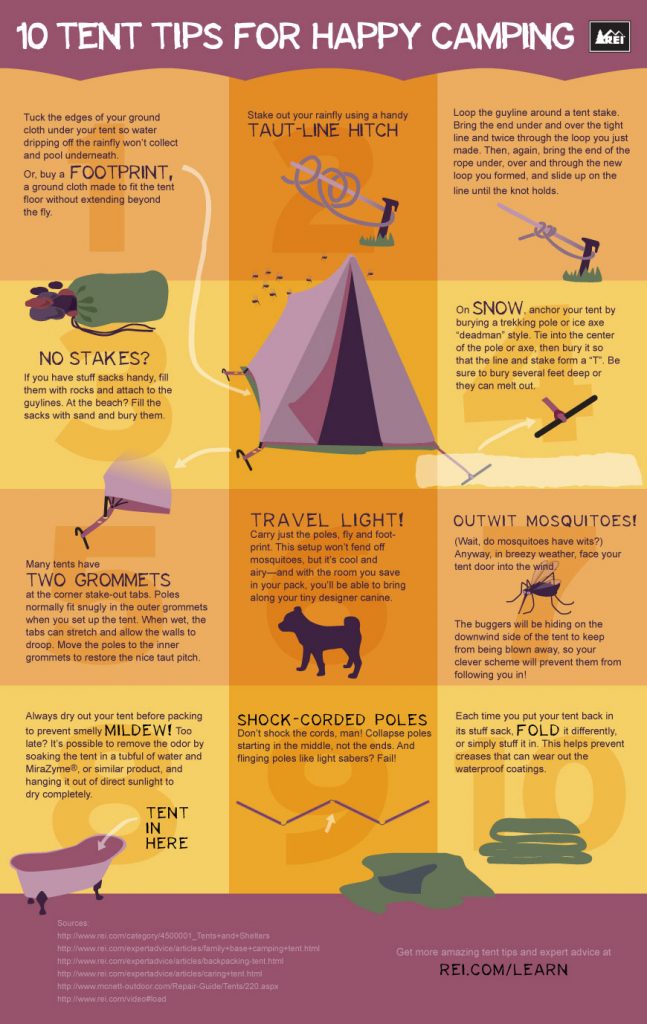
To prevent such issues, appropriate air flow is key. When possible, camp in locations with an all-natural wind to assist flow air and maintain humidity levels down. Pitch the camping tent to ensure that air vents and home windows are oriented in the direction of the wind, which will scoop up the great air and press it back through the openings guaranteeing that damp air does not obtain trapped in your tent.
B2B purchasers sourcing outdoor camping outdoors tents for sale, rental operations or private-label branding must focus on air flow layout as it straight affects end-user satisfaction, product sturdiness and lasting efficiency. Vented outdoor tents layouts offer greater flexibility in climates and usage situations, enabling them to do ideally with differing temperature levels and moisture degrees. Inadequate air flow causes condensation, getting too hot, product destruction and negative feedback from users.
Creating a Cross-Flow
A consistent airflow keeps the interior of tents comfy without revealing customers to unsafe problems. Correct air flow techniques complement active cooling and heat control techniques for a restful camping experience.
Air flow is attained via calculated style, product choice and design decisions. Professional camping outdoor tents suppliers deal with air flow as a system instead of an add-on. For example, roof vents enable hot air frame to escape while ground-level openings confess cooler substitute air. This produces a natural convection current that ensures an also air-change price, preventing stagnant pockets of carbon monoxide and too much moisture.
In addition to ventilating an outdoor tents, it is necessary to stay clear of breathing in things like chemicals and dust-- as well as tiny infection particles released by individuals that are sick with respiratory illnesses. Excellent air flow likewise reduces the chance of these fragments reaching sensitive locations, such as the eyes or nose. This is why it is very important to comply with the manufacturer standards for your camping gear and to make use of a carbon monoxide gas detector while copulating a wood stove or other energetic heating unit.
Avoiding Carbon Monoxide Gas Poisoning
Carbon monoxide (CO) poisoning is an actual risk when heaters are made use of inside camping tents and various other encased spaces. This anemic, odor-free gas forms from insufficient combustion of timber, coal, lp and other gas. It can disable or kill individuals without warning.
Proper air flow avoids carbon monoxide accumulation by allowing fresh air to flow throughout the tent. It additionally assists take care of dampness, condensation and temperature level discrepancies. Moisture build-up, for example, increases fabric aging, damages finishings and causes mold. It can also jeopardize a sleeping bag's or bed linen's insulating value.